
Is it really that easy to re-string a guitar? To be brutally honest… I’m useless at re-stringing guitars!
After playing the guitar for a few years, you’d expect the task of re-stringing an acoustic or electric guitar would be second nature to me. Well, it’s not – so much so, I’ve subsequently been using Elixir Strings on all my guitars as they apparently last 3-5 times as long compared to other strings (I’m also becoming increasingly lazy!).
I wish I could re-string like the pros – you know, the winds around the tuning peg that has that little “loop” and only requires the minor of windings? My tuning pegs typically consist of multiple windings, all applied with the thought of “You’ll never go out of tune! Ever!!!“.
The task of re-stringing my guitar is quite an event; from receiving the strings from a dodgy seller on eBay, to sweating thinking about the task in hand ALL DAY, through to preparing my “tools”. Typically I require:
Why is something so simple, actually so hard?
Well, hope is at hand; I’ve assembled a range of videos from YouTube (all supplied by Absolute Music) and presented them below to aid you all in your re-stringing quest.
Tonight I need to re-string my Duesenberg (11’s) and my Stratocaster (10’s) and I’m going to be watching these vids (probably multiple times) as I’m determined to learn how to re-string successfully.
 Wimborne Guitar Festival Update – March 2014
 Dean Markley announces the release of the new Signature Series strings
 McPherson Guitar Reviews – 4.0 XP and 3.5 XP Models
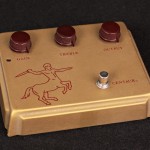 The Legend of The Klon Centaur
 Using the Middle Position on a 3-Way Pickup Selector Switch
 Pedalboard updates using The GigRig Quartermaster 6
 Is it all about the thrill of the chase?
 The Great Tone Treasure Hunt
 Competition: Win Four Guitar DVD’s!
 Are Duesenberg Guitars Too Expensive?
 Are guitar stores a thing of the past?
 When the GAS monster strikes…
 Guitar Store Blues
 Timber Tones Plectrums Interview
 Timber Tones – Exotic Wood Plectrums Review
 DVD Review – Tone Secrets: The Components of Tone
 My First Guitar: Egmond Lucky 7 Semi-Acoustic
 My First Guitar: Yamaha Pacifica 112
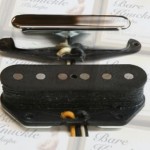 Bare Knuckle Pickups – Blackguard Flat 50 Set Review
 Bare Knuckle Pickups – Holydiver Humbucker Review
 Audio-Technica – Pro 70 Microphone Review
 Choosing a Guitar Amplifier
 Dan Henry Interview
 Guitar Maintenance – corrective or preventative measures?
 Guitar Tone: a different flavoured sandwich?
 100 guitar things to do before you die…
 Choosing an Overdrive Pedal for Under £100
 My First Gig: The Beer Engine, Coventry
 Bristol Guitar Show 2010 Review
 Digitech RP55 Modelling Guitar Processor (Multi-Effects Pedal) Review
 Guitar Jar Competition – August 2010
 Ernie Ball Competition
 Gibson SG Standard Review
 Duesenberg Starplayer TV Review
 MXR Carbon Copy Analog Delay Review
 How do you grab the attention of the crowd?
 Traynor YGM-3 Guitar Mate Amplifier Modification

Sam is passionate about talking all things guitar related and started GuitarJar.co.uk to help encourage all guitarists in their guitar playing journey.






6:17:38 am
The young chap who now works at Absolute Music used to work at the shop in Ringwood. He did a stellar job on setting up my Ovation when he was there. I would certainly use Absolute Music for a guitar setup if I wasn’t 12000 miles away!
Anyway, great stuff on string changing. When I was gigging a lot I used to change my strings every week. Not so often nowadays but I do still like fresh strings. But over 35 years of playing means I’ve changed strings hundreds of times.
Here’s a few thoughts:
* Always keep a spare set of strings in your guitar case. Buy a new set before you change strings so as you’ve always got a spare set.
* I keep a board in my studio with the date I change my strings (I have quite a few guitars) and what type I used. Before that I used to leave the empty packet in my case with the change-date written on it.
* Wash your hands before changing strings. You don’t want to get tonight’s KFC grease (or worse) on your new strings.
* Friction! It’s friction that holds the strings in place. Use at least 3 or 4 neat winds on the uncovered strings and 2 or 3 on the covered. I’ve seen many people blame their tuning pegs for slipping when in fact their strings were just slipping
* Stretch strings gently after fitting. Will save days of re-tuning.
* Change one string at a time unless you are doing some other maintenance on the guitar. It will help you when you tune back up and keeps the neck “in balance” and the truss rod doing its job.
* Before you snip the loose ends of the covered strings give them a little right angle bend. It will help the windings not to slip.
* If you break a string change the set. Otherwise you will have an unbalanced tone.
* Try to stick to the same brand and gauge of strings or you might need to have a setup done.
* When I change strings I lay each string out in front of me in the correct order before I start. Just helps to get the right one in the right place.
Anyway, just my $0.02
1:40:17 pm
Hi all,
I’ve never, ever let anyone else re-string my baby. Once you get used to it, it’s pretty darn simple – but there are some key points to remember:
1. If you’re changing gauge, adjust the truss rod etc.
2. Stretch those mofo’s once they’re on!! It can take about 10 minutes of stretching them before they won’t go out of pitch, so keep at it.
I’ve followed this chap’s method for a while now, and have found it to be the best way to re-string, without doubt. My Les Paul now stays in tune!:
The proper way to restring a guitar by Bill Baker